



— A place where diverse cultures live, from ancient romance to modern passion
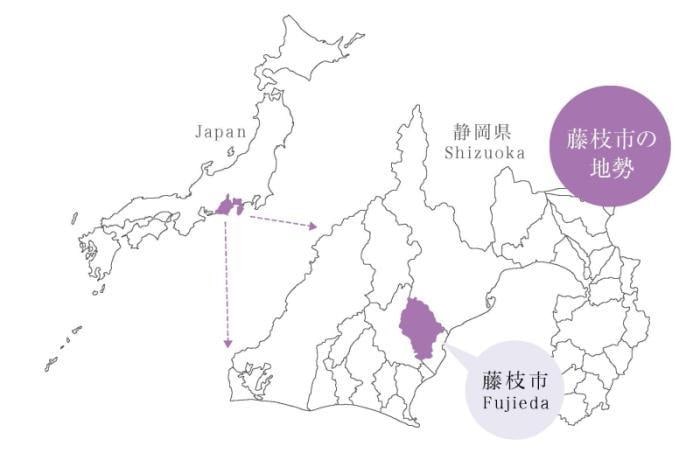
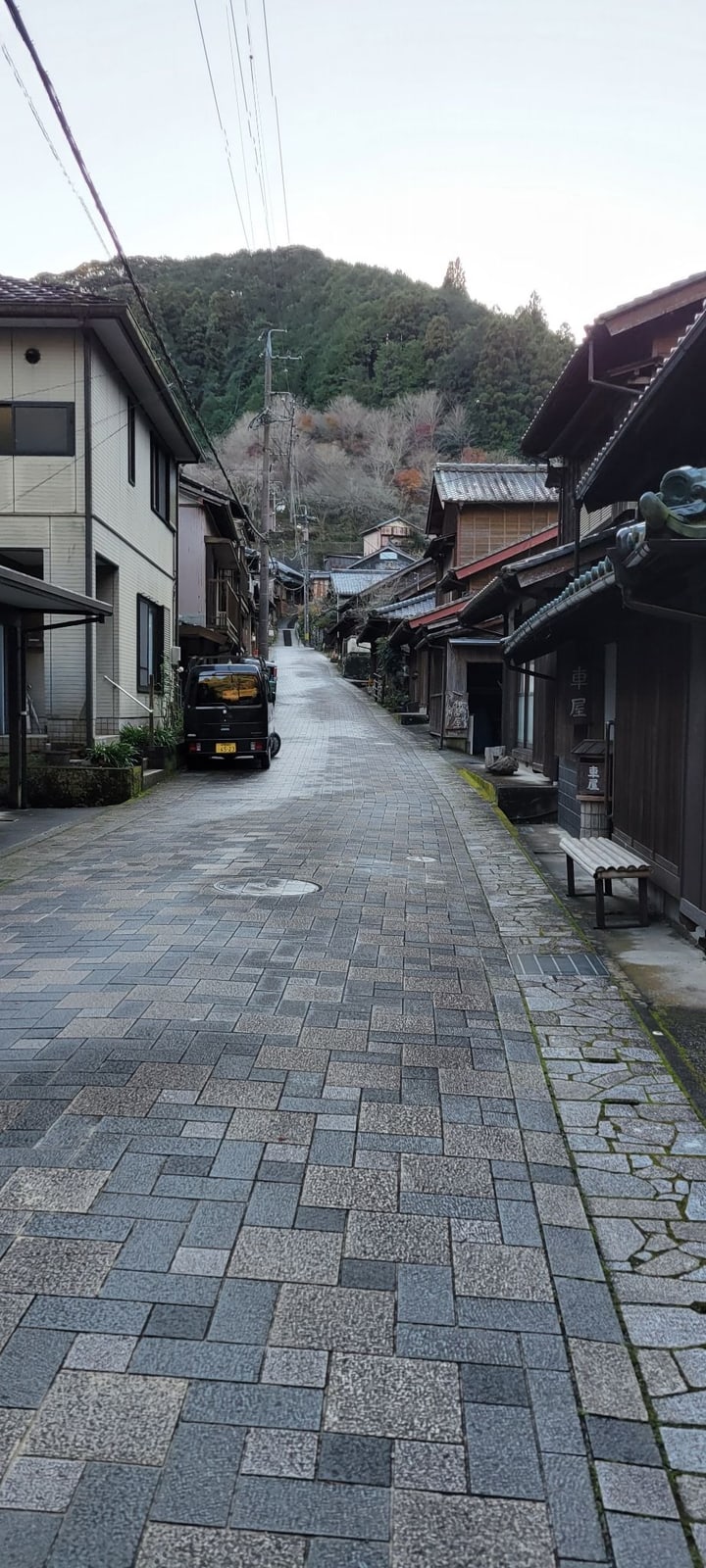
Fujieda, in the heart of Shizuoka Prefecture, has long developed as a place where people travel and cultures meet. Its symbol is Utsunoya Pass, known as a difficult section of the Tokaido road. The famous poem from the Heian-period “Tales of Ise”—“In Suruga, by the slopes of Mount Utsu, I meet no one, in waking life or dreams”—still lends this place an otherworldly atmosphere a thousand years later.
When the Tokaido was developed in the Edo period, two post towns were established in Fujieda. It grew busier as an important hub for logistics and exchange, with travelers and merchants constantly passing through.
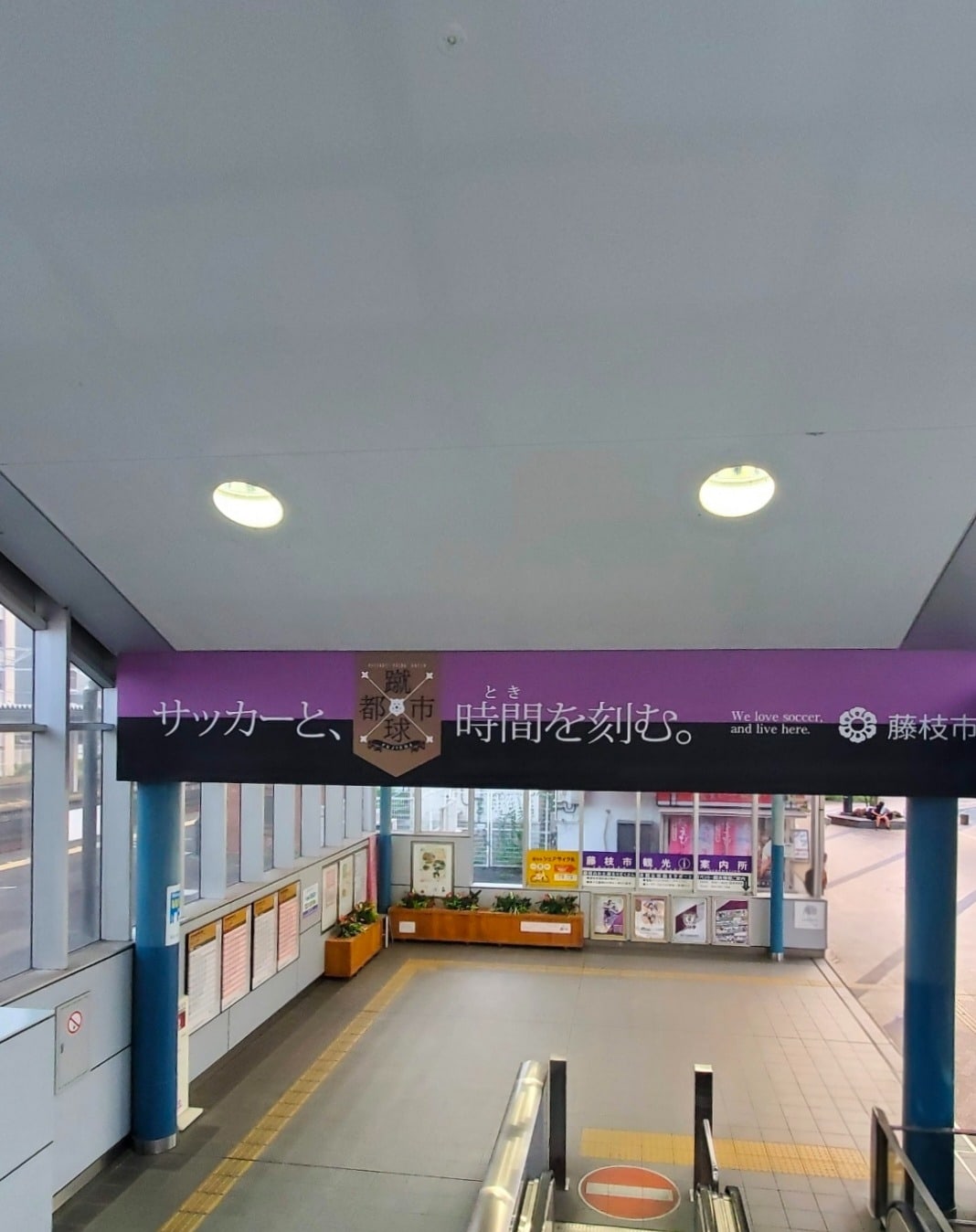
Despite this rich history, today Fujieda is known as a “soccer town.” The reason Shizuoka is a soccer kingdom lies in Fujieda, which adopted the sport ahead of other areas in the Taisho era. Pride in culture and passion for the new coexist here—this is the appeal of Fujieda, a city with a thousand-year history.
— Everyday virtues rooted in Suruga’s abundant gifts
Fujieda is the birthplace of “asa-ra,” a morning ramen tradition passed down as breakfast for early-rising tea pickers. Close to Yaizu Port, one of Japan’s leading fishing ports, the city has long developed as a food-culture hub where the gifts of Suruga Bay meet the produce of lush mountains. Shizuoka has many other ports, and seafood such as tuna, bonito, and sakura shrimp has enriched Fujieda’s tea culture. Several historic sake breweries also remain in the city, carrying on brewing traditions that draw on water sources flowing from the Southern Alps. Tea leaves raised by mountain nature, seafood from Suruga Bay, and local sake made with clear water—Fujieda’s food culture has been refined by this fortunate land.
— In the beautiful season when wisteria blooms and green fragrance rides the wind
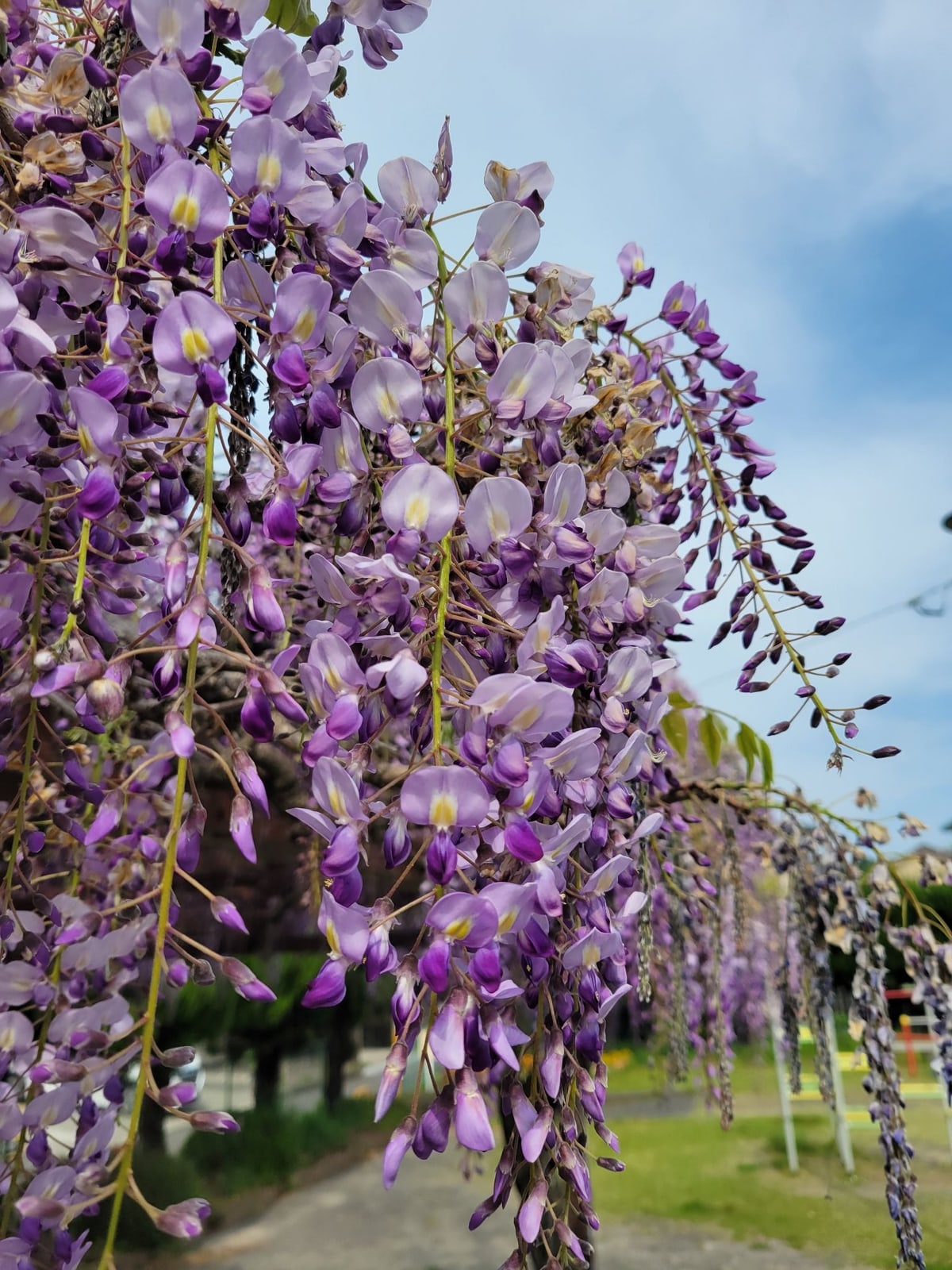
The Setogawa and Asahinagawa rivers flowing through the city are famous for cherry blossoms, with different cultivars blooming at different times. When the cherry season ends, the beautiful wisteria flowers that symbolize Fujieda dye the city wisteria purple. Their fragrance blends floral sweetness with a soap-like freshness, adding another color to the season of flowers. Fujieda’s tea culture has grown amid these gifts of nature and beautiful colors. As the wisteria reaches full bloom, tea production also enters its final stage, filling the city with many colors and aromas.
Many of Fujieda’s tea fields lie in the mountains. The wide temperature difference between day and night, excellent drainage on the slopes, and air filled with the scent of the mountains proved ideal for tea cultivation, which began here in the Edo period. In the Meiji era, gyokuro production began in even more favorable mountain locations. This was the Asahina district. Located upstream along the Asahinagawa, its temperature range and drainage, combined with rich morning mist rising from the river, create ideal light conditions for gyokuro. When pioneers introduced methods from Uji, Kyoto, in the Meiji era, full-scale Asahina gyokuro production began here.
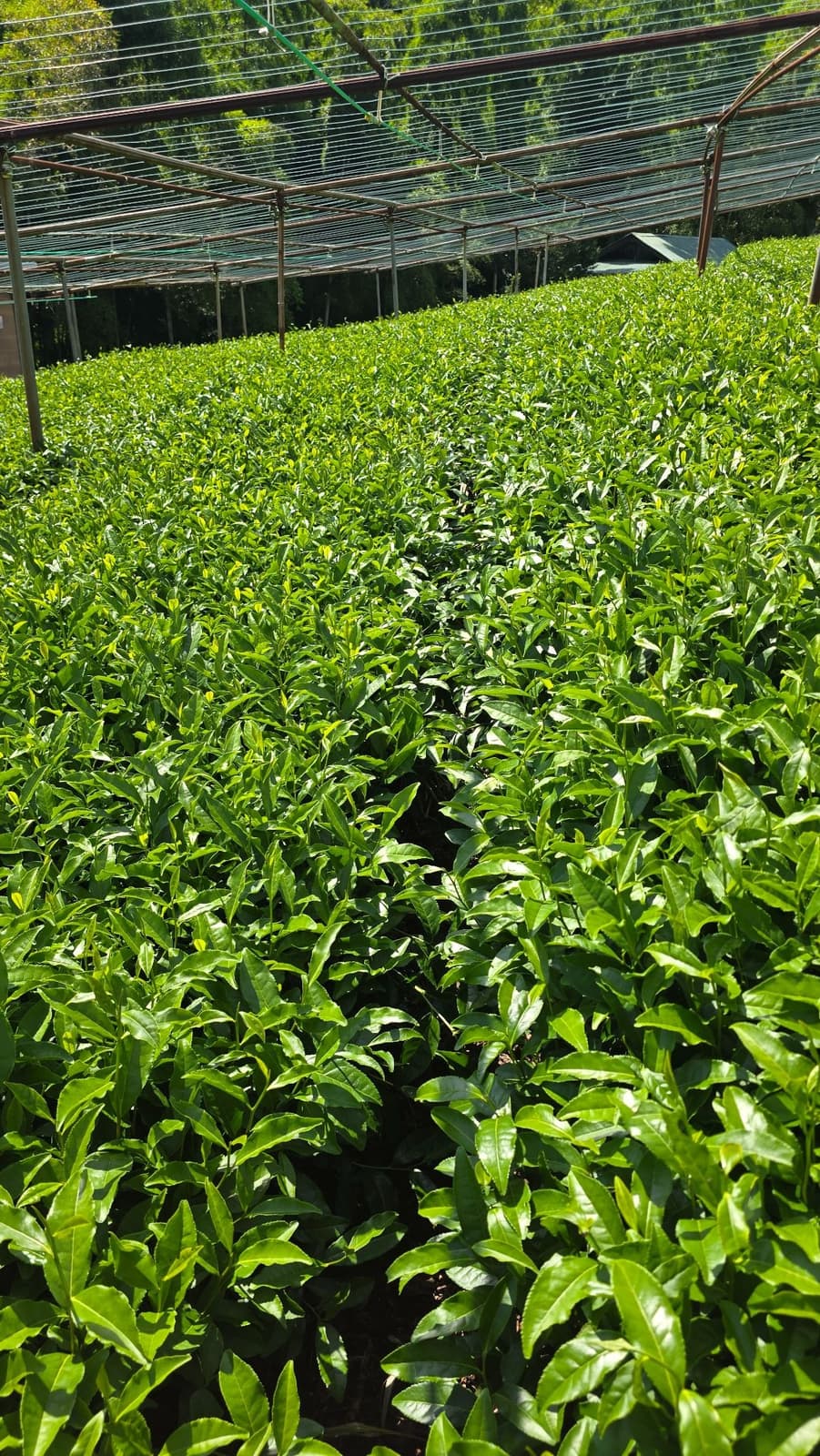
Gyokuro is harvested in May, and unlike other teas, only the first flush is picked. Asahina gyokuro is cultivated with traditional komo-gake, and each farm develops a different flavor by handling everything from harvest through processing. Much of it is still hand-picked, made only from tender new shoots. Hand-picked gyokuro is certified by the Fujieda Tea Promotion Council as “Asahina Hand-picked Hon Gyokuro,” while gyokuro grown beneath komo has long been sold as “komo-gake gyokuro.”
Today, Mr. Miyazaki’s is the only farm in the area still using komo-gake. Its deep flavor and long history create cultural value that transcends time. Asahina is now counted alongside Uji in Kyoto and Yame in Fukuoka as one of Japan’s three great gyokuro-producing regions.
The romance of history stretching back to the days of Utsunoya Pass, the energy of a soccer town, and a tea culture protected together with its landscape since the Meiji era. In Fujieda’s tea culture, the history and traditions of this place live on today.