



Japan’s tea culture now stands at a major crossroads. An unprecedented matcha boom has sharply increased consumption of tencha, the raw material for matcha. Consumers are growing both in Japan and overseas, and further supply is eagerly awaited. Yet a wider view of the tea industry reveals many problems: aging producers, a lack of successors, and declining consumption as lifestyles change. In recent years, the matcha boom has led more producers to shift to tencha. As practical decisions are made to survive in each region, traditional techniques developed over long years and the rich tea cultures that are regional identities are quietly disappearing. Shizuoka, which has led Japan’s tea industry for generations, is no exception; its situation is a microcosm of the global tea landscape.
In a time that values efficiency and price competition, making genuine tea with no compromise on time or effort may not seem rational. Consider gyokuro cultivation beneath the now-vanishing komo-gake, or tea pickers harvesting by hand. These are not mere tasks but “living culture,” woven from the land and people’s pride. Cultivars with their own stories also deserve protection. Yet tea with such precious value is still being buried without proper recognition.
Tea’s value can never be measured only by whether it tastes good. Refined skill, the terroir nurtured by the land, history passed down, and each producer’s life—all must be present for a cup to have true value. The value and culture held by this tea may disappear. It was from this deep sense of urgency that we stood up.
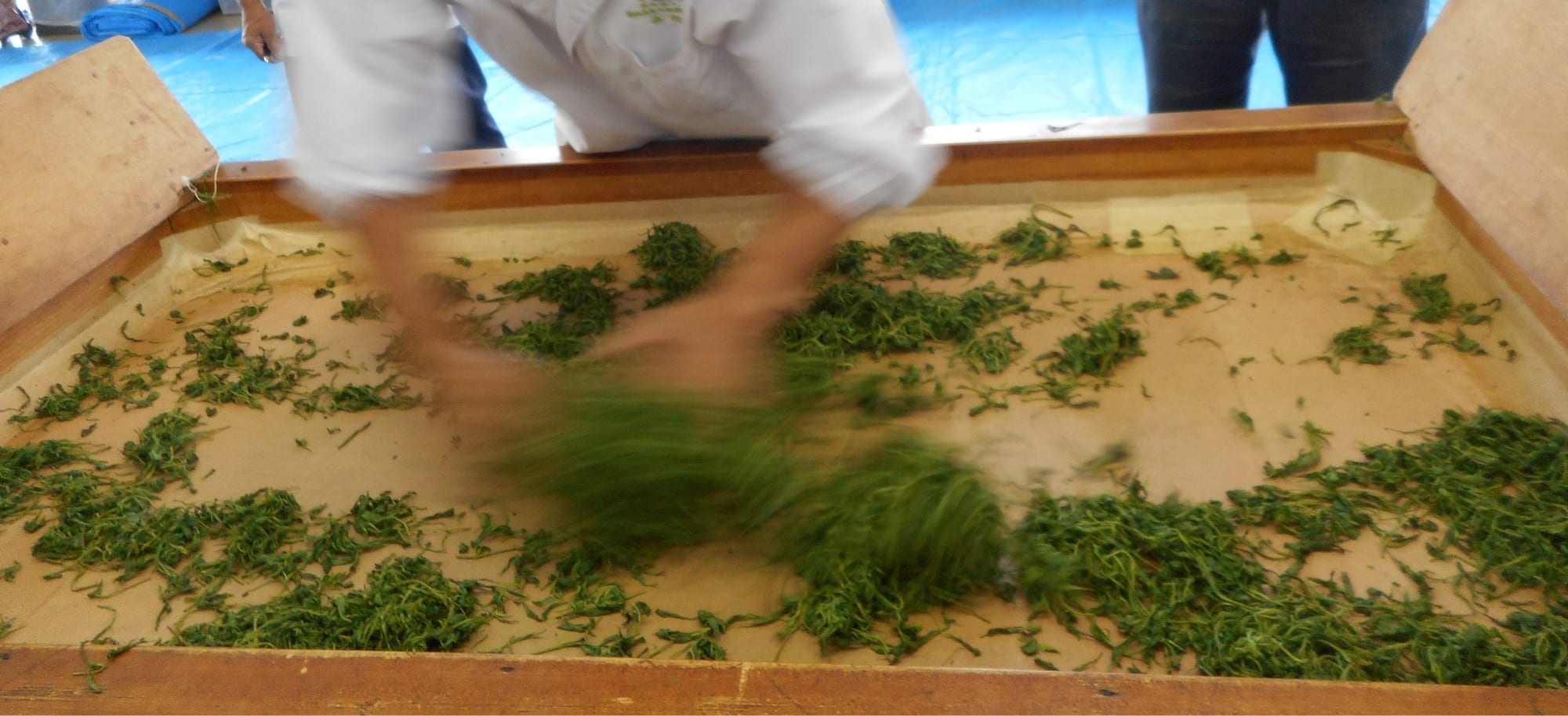
Komo-gake weaves rice straw grown in the producer’s own fields by hand and covers the tea. Careful hand-picking of the first flush draws out the maximum umami and aroma.
Learn more →Elevate and share every appeal of tea—flavor, cultural value, and rarity—as one culture.
Build a future in which producers can take pride in their work and feel, “I’m glad I kept doing this.”
Make the industry sustainable, so younger generations can discover its appeal and participate without financial anxiety.
For someone, discovering a cup of tea can be a gateway to Japan’s traditions and a force that supports a producer’s future. Through this brand, we will create a cycle in which makers, drinkers, and culture all grow richer together.
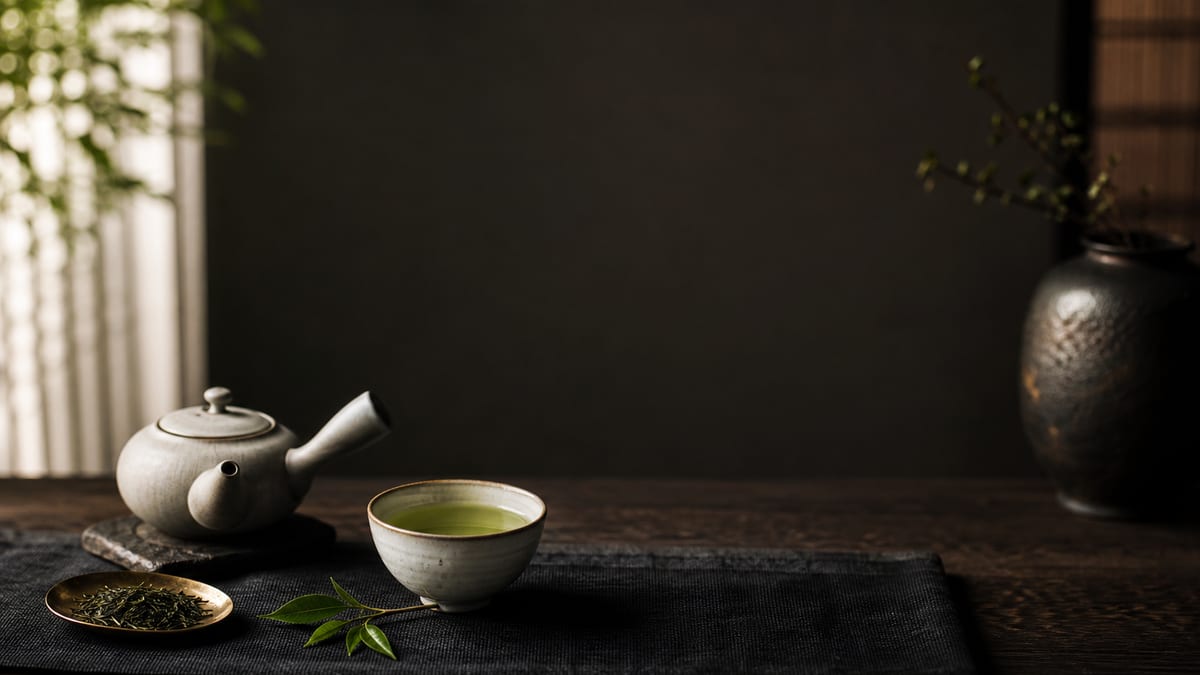
Harvest comes once a year, in May. We deliver Japan’s only komo-gake gyokuro in limited quantities.
Visit the shop →