


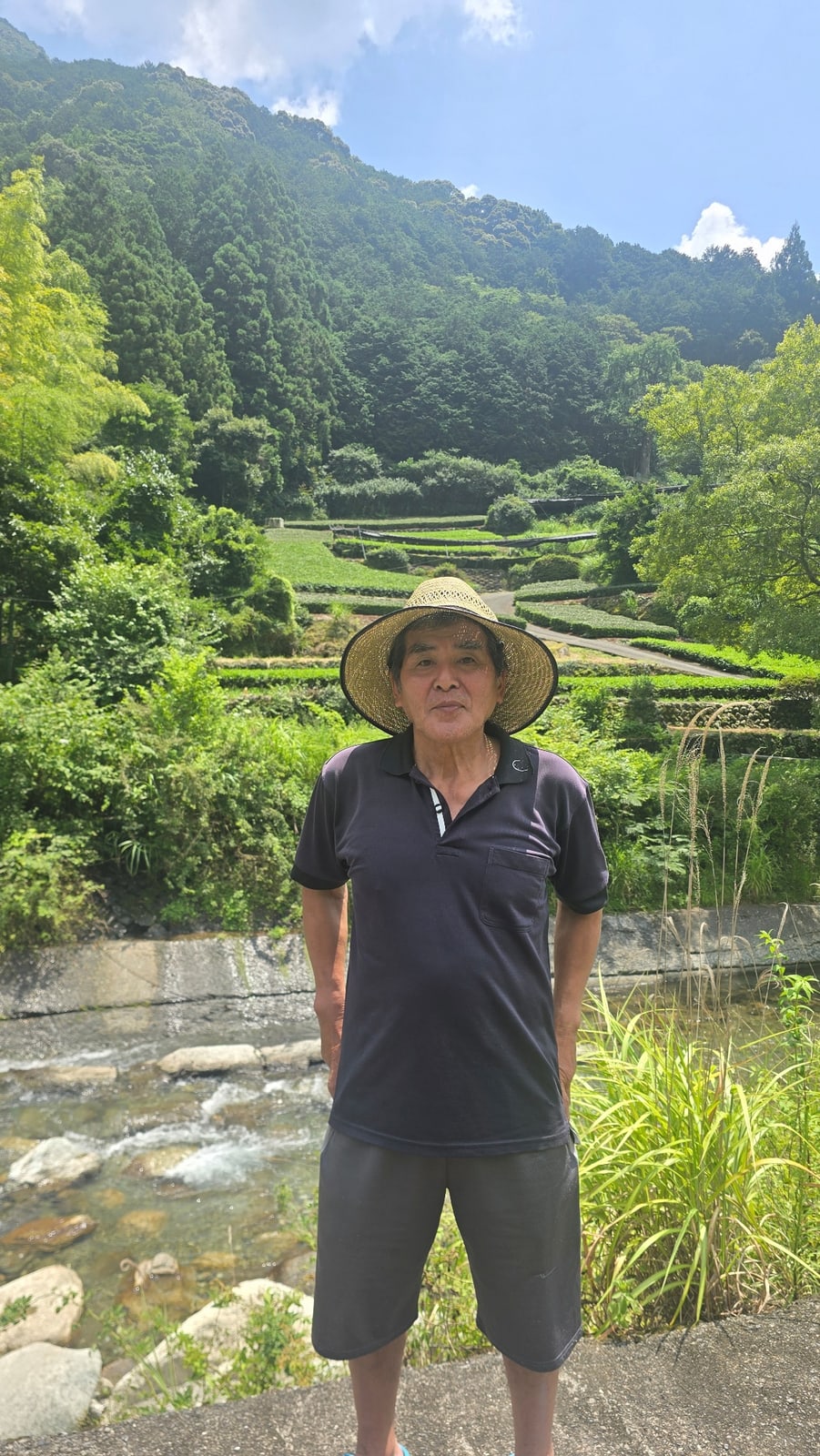
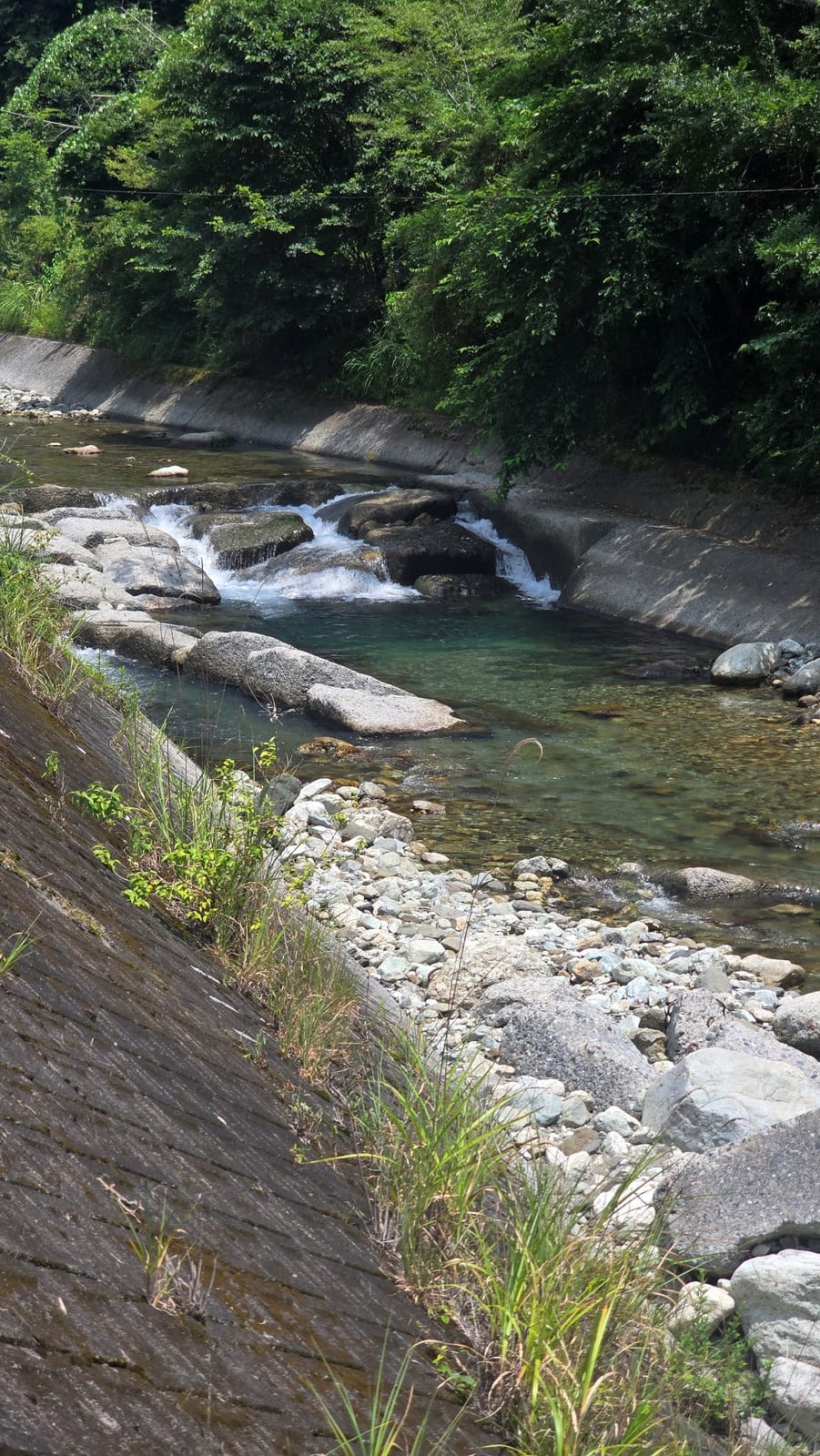
Ryogochi stretches through the mountains of Shimizu Ward, Shizuoka, along the clear waters of the Okitsugawa River. Here lives Hayato Yamamoto, who grows Japanese black tea from domestic tea leaves. He cultivates varieties such as Shizu 7132, Tsuyuhikari, and Okumidori, making tea by the principle “aroma over taste.” The land, his handmade tea factory, years of trial and error, and hope for the future are all folded into the sweetness of his Japanese black tea.
Tea produced in Ryogochi has long been highly regarded. Mr. Yamamoto himself has many achievements, including first prize in the ordinary sencha category at the 50th National Tea Competition. Yet his second flush tea was judged “light in flavor” at the tea market and struggled to command a price. The qualities of this land worked well for the first flush but were less suited to second-flush production.
“Ryogochi’s first flush is highly valued and can be traded, but the second flush was rated so poorly that it stayed at a truly low price for a long time.”
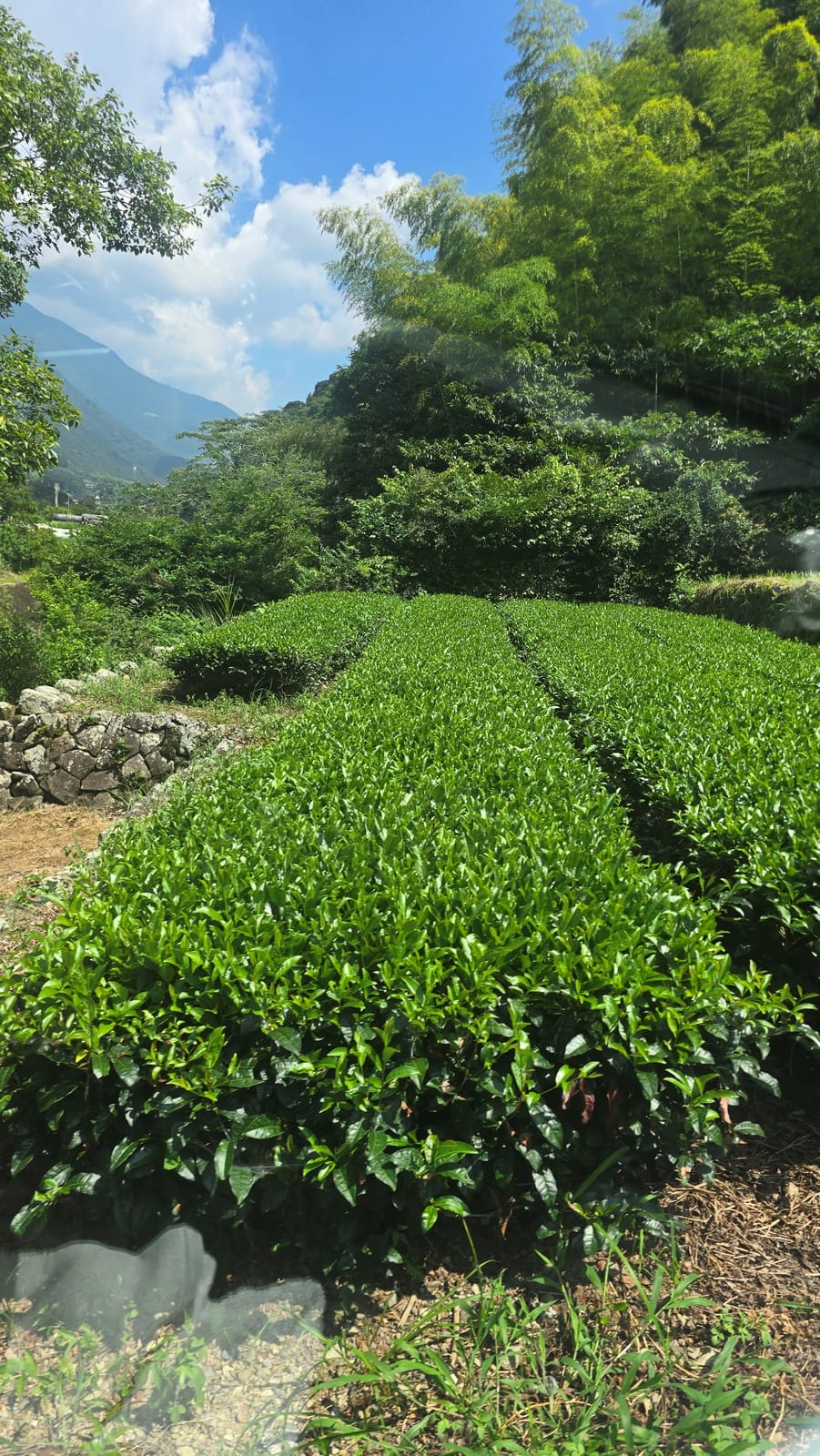
Having made tea here for generations, Mr. Yamamoto had long seen second-flush production as a challenge. After a proposal from the agricultural cooperative, he began making black tea from the second flush 14 years ago. At a time when Japanese black tea was not yet widely produced, he pioneered it in this area. The first three years were constant trial and error, but techniques and quality gradually stabilized, and Ryogochi has now developed into a major producing region for Japanese black tea.
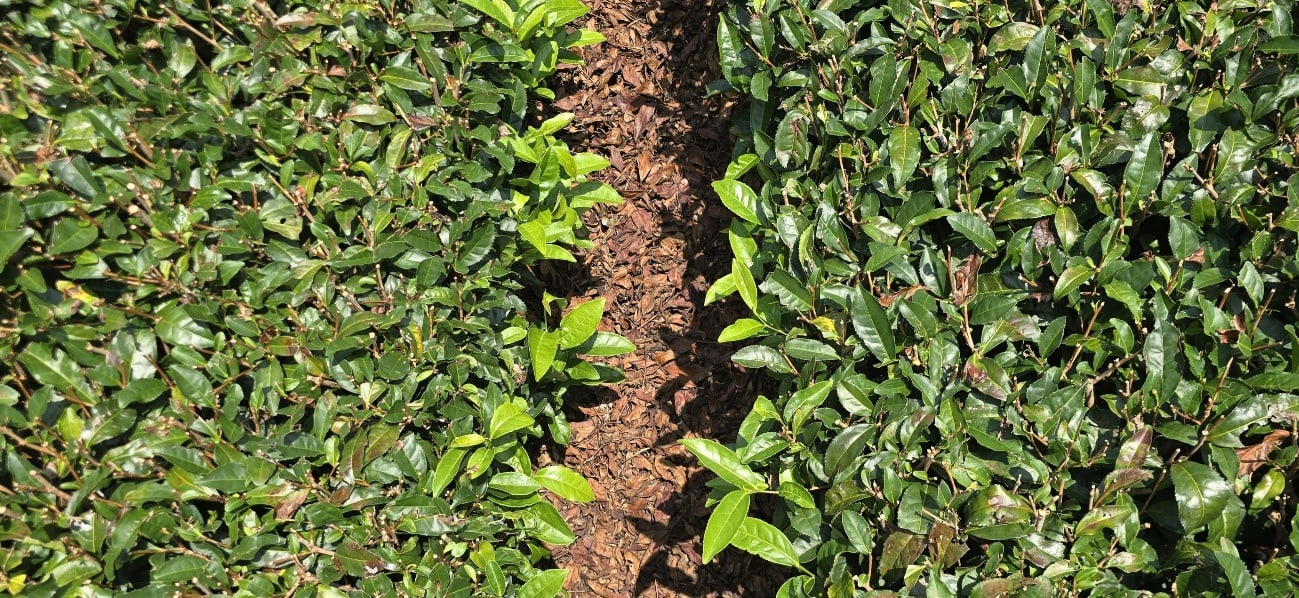
Black tea is mainly made from tea leaves grown overseas. The continental “Assamica” type has large leaves and a powerful flavor, and is well suited to black tea because it contains abundant oxidizing enzymes and ferments readily. By contrast, the “China” type common in Japan has small leaves and a delicate flavor, making it suited to sencha.
Japan does have cultivars bred specifically for black tea, but Mr. Yamamoto’s Japanese black tea is made from Yabukita, the classic Japanese tea cultivar. Known as the most common sencha cultivar, it produces a black tea distinctly different from sencha. Its reddish-brown liquor hides the aroma of ripe fruit and a sweetness hard to believe is unsweetened. This flavor, unlike the many black teas from overseas, offers a new experience.
How can Japanese black tea made from China-type Yabukita, a quintessential sencha cultivar without special aromatic compounds and not naturally suited to black tea, produce such sweetness? The clue lay in this land’s terroir and Mr. Yamamoto’s dedication.
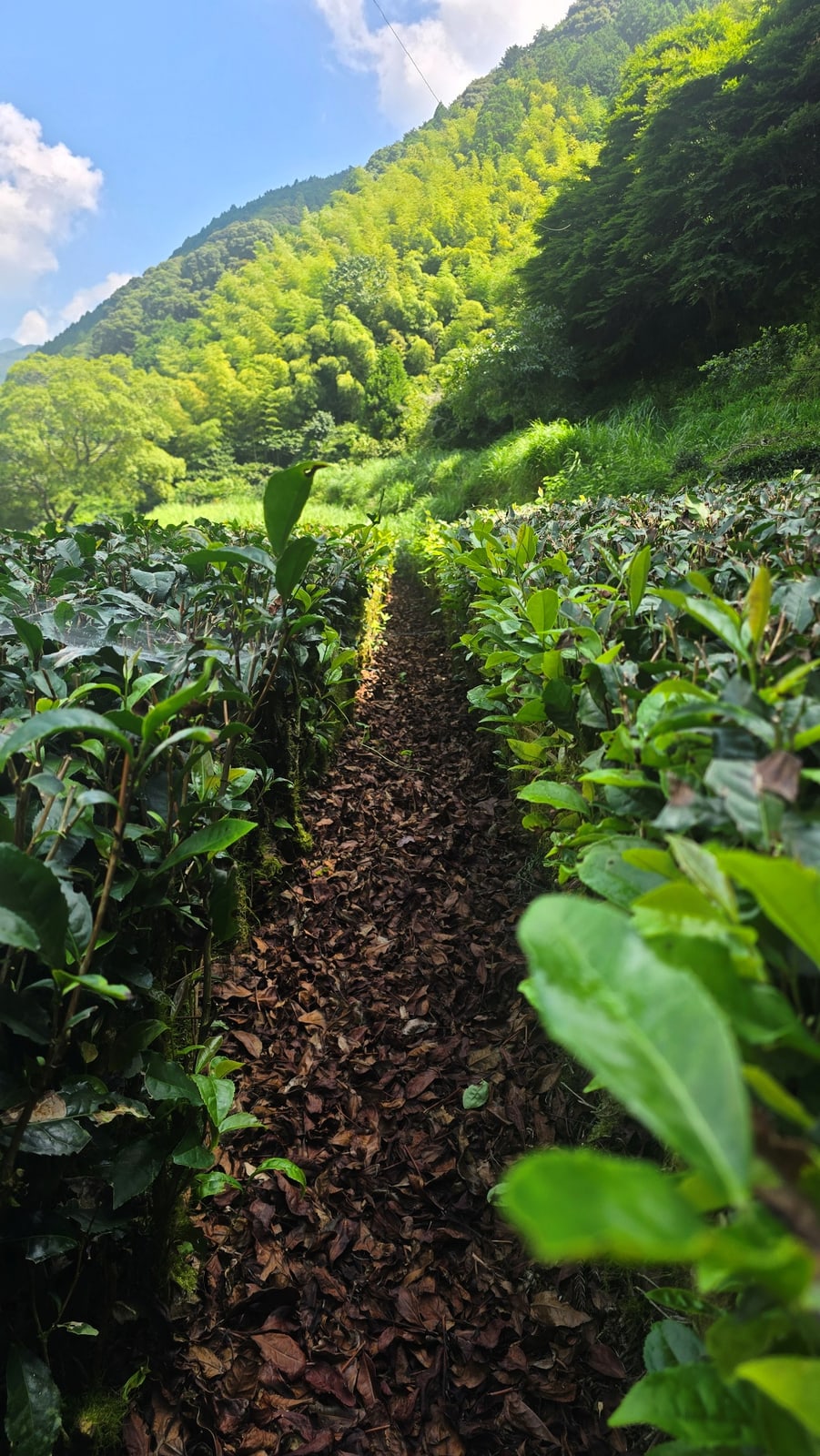
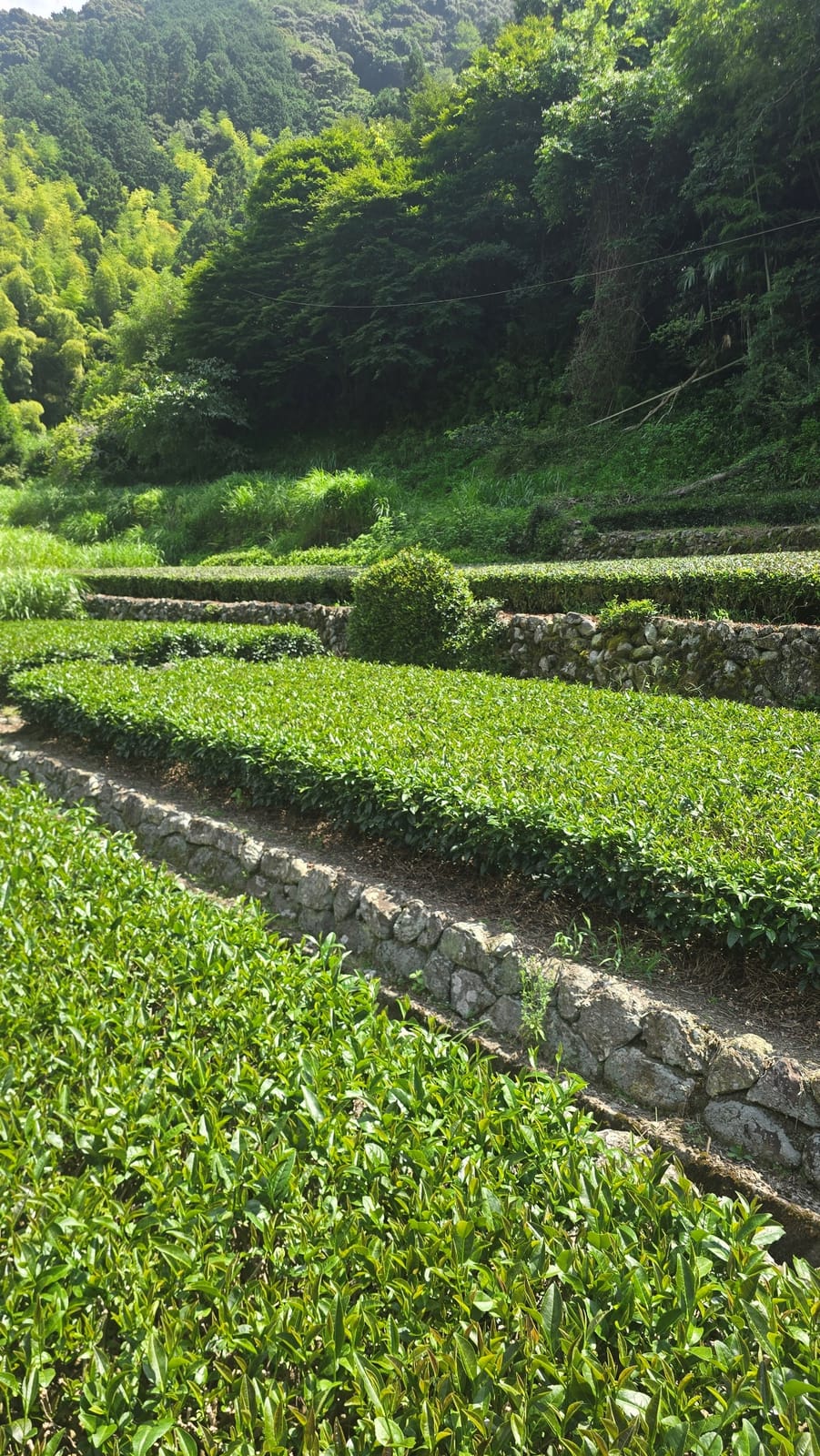
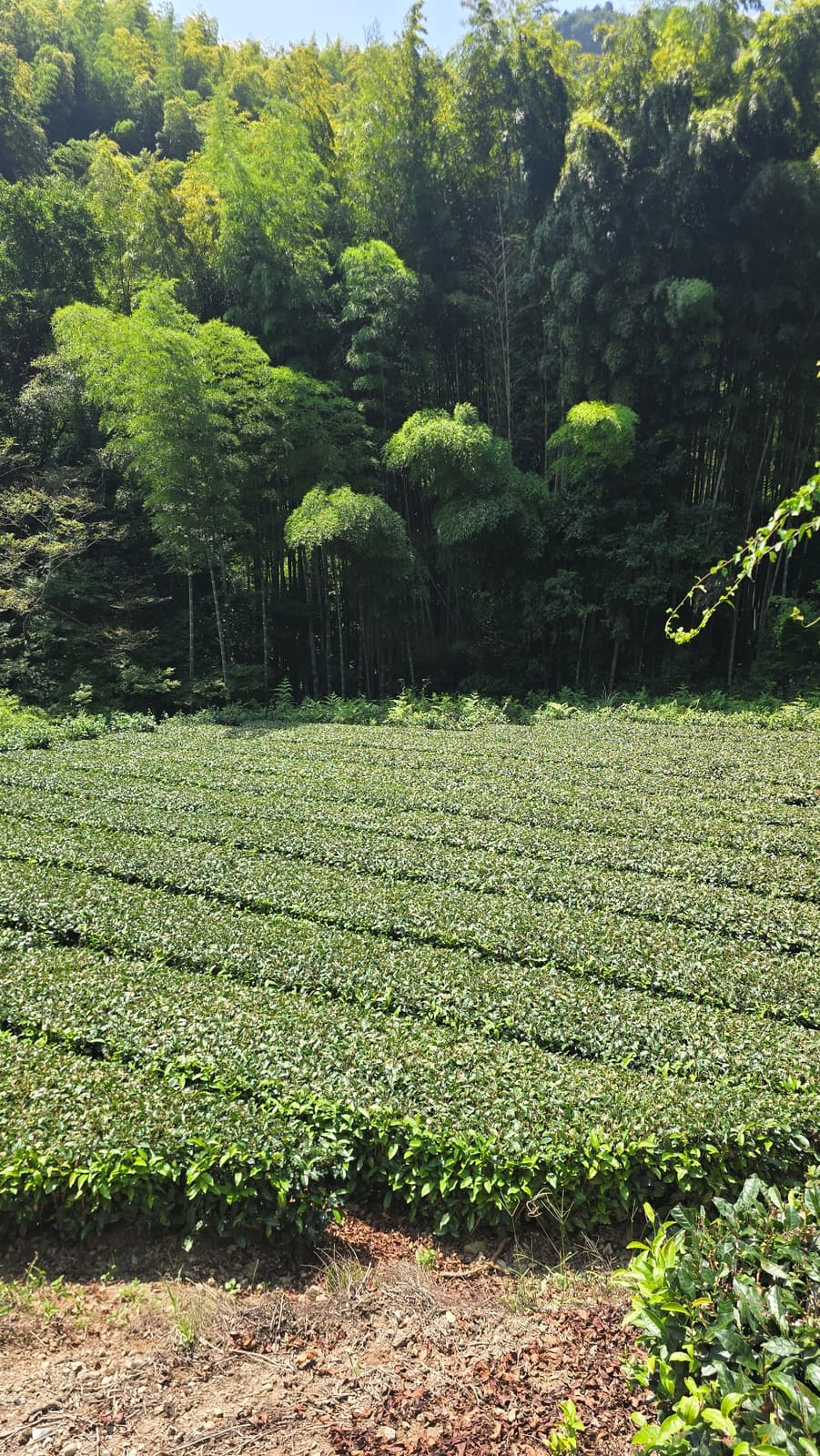
Mr. Yamamoto’s tea fields face the Okitsugawa River, just a few meters away at the closest point. Mist and dew rising from the river create a delicate balance of light for the growing tea. High mountains on both sides of the river produce a wide temperature range. While ideal for mountain tea, this environment was also a difficulty for second flush tea: dew settles easily but is slow to clear, and winter daylight is so short that the sun sets around 3 p.m. Mr. Yamamoto therefore built fields along the slopes to secure sunlight within this environment.
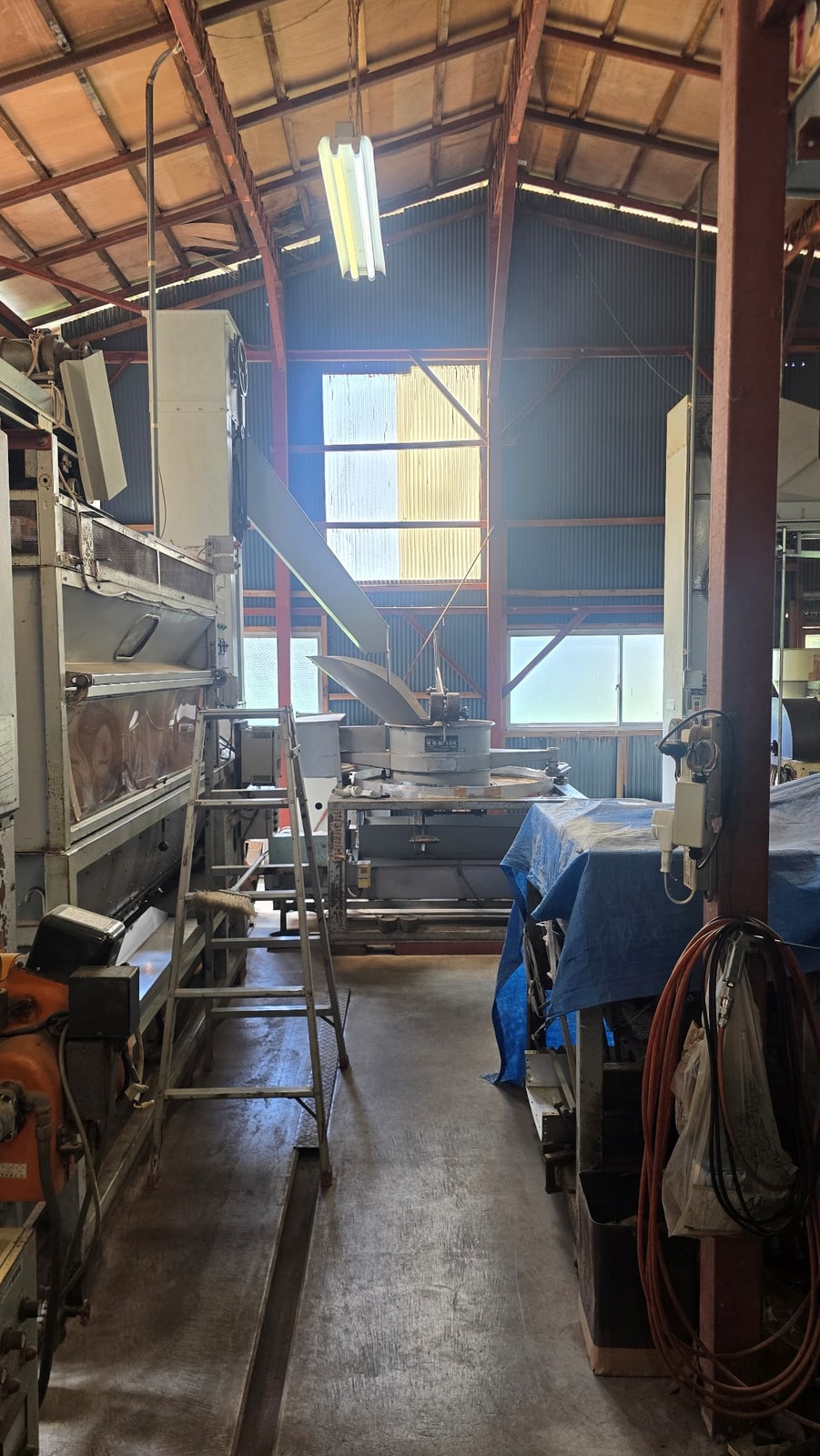
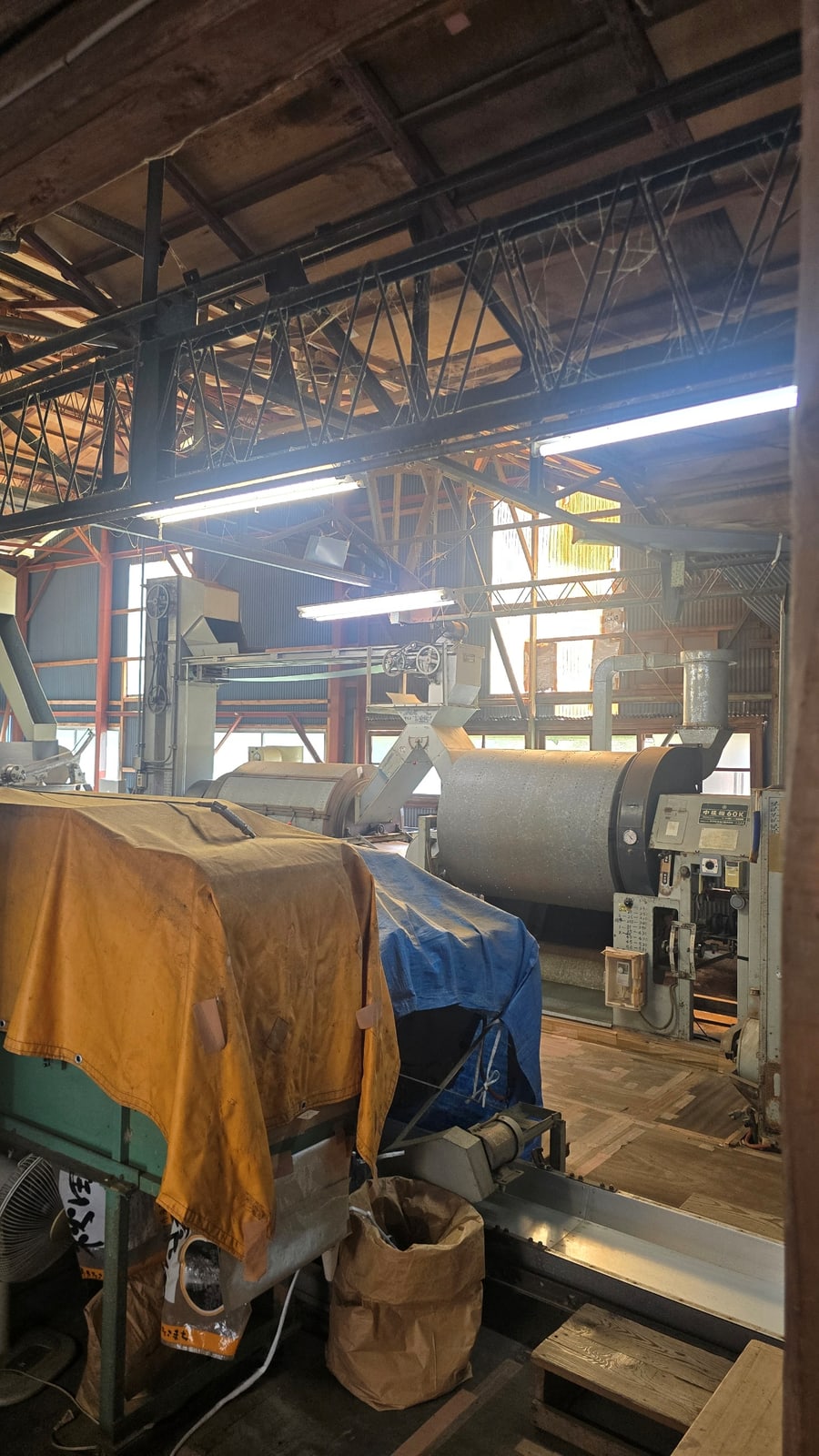
Mr. Yamamoto’s ingenuity extends beyond the fields to his tea factory. Machines stand close together beneath a roughly four-meter-high ceiling that gives the space an open feeling. There is a reason the steel frames are green and red. “When I was about 32 or 33, my predecessor started the factory on a very small area.” It was only about one-third its present size, and Mr. Yamamoto began expanding it himself. “When I was young, I worked as a construction rigger, so I could do welding and things like that myself.” The red section he built by hand makes up roughly two-thirds of the factory and supports the annual finishing work.
Another distinctive feature of Mr. Yamamoto’s black tea is the machinery he uses. Making black tea requires harvested leaves to ferment once; this step, absent from sencha production, changes the balance of amino acids and other compounds. Without a machine designed for fermentation, he uses a nakamomi machine intended for sencha. It normally rotates to shape the leaves while drying them, but his practiced judgment draws out its potential as a fermentation machine. He carefully monitors the leaves by hand and, despite having no dedicated machine, confidently says the result is “a black tea that feels right to me.”
Mr. Yamamoto has also taken over tea fields about 30 minutes by car from his home that farmers forced to leave the industry could no longer keep, and he makes tea there too. The nearly 90 tea farms once in Ryogochi have fallen to fewer than 20 amid reputational damage after the Great East Japan Earthquake, declining demand for premium tea, a lack of successors, and other pressures. Mr. Yamamoto is no exception; many challenges stand between carefully grown tea and the people who receive it.
Even so, Mr. Yamamoto looks into the distance and says, “I don’t think being a tea farmer is a bad job at all.” Since taking over the fields, he has constantly searched for a path to the future so that tea’s light does not go out. Proven quality, a sure standard of “aroma over taste,” and a challenge to tea’s still-unseen possibilities—all come together here. When this black tea is brewed, the “best answer” found through trial and error becomes aroma, vividly coloring the space.